Stefan Krastanov
University of Massachusetts Amherst
Research
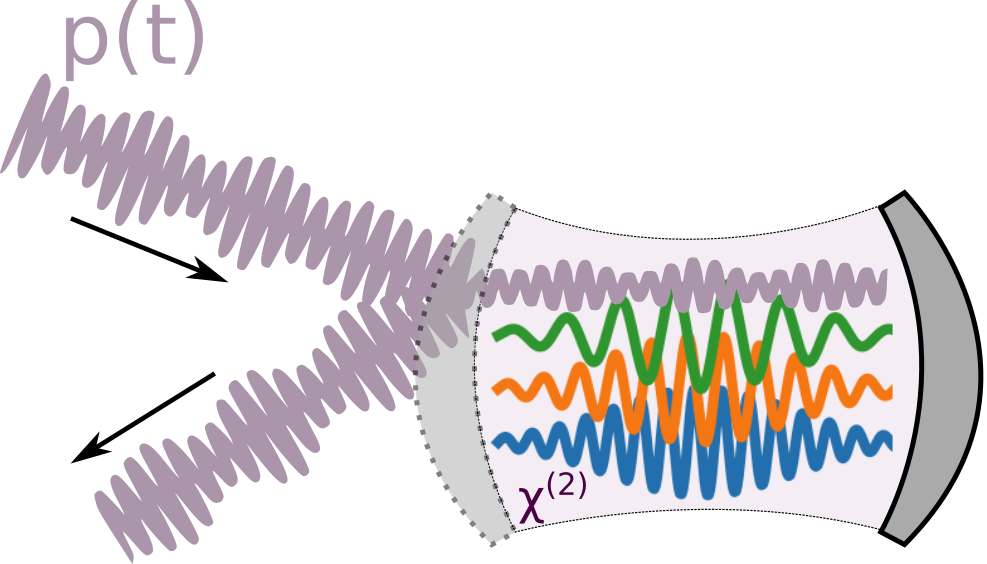
Room-temp optical quantum computing¹
Room-temperature photonic logical qubits via second-order nonlinearities
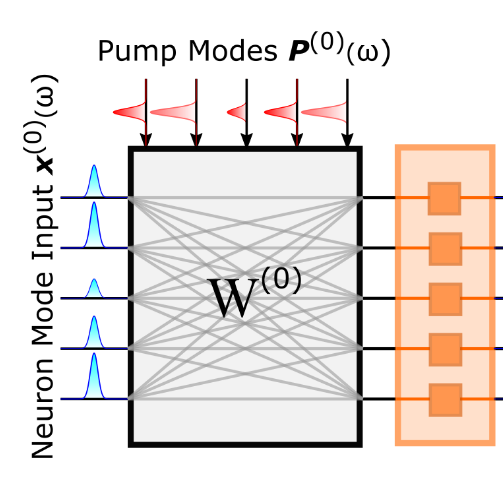
Room-temp optical quantum computing¹Near-term² photonic hardware and accelerators for classical computation³
Room-temperature photonic logical qubits via second-order nonlinearities
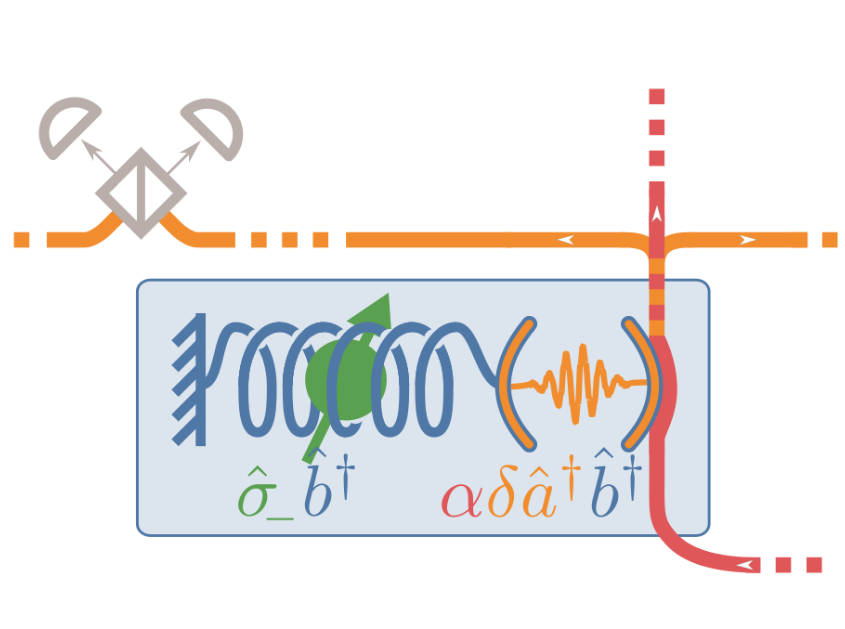
Controlled-Phase Gate by Dynamic Coupling of Photons to a Two-Level Emitter
All-Photonic Artificial Neural Network Processor Via Non-linear Optics
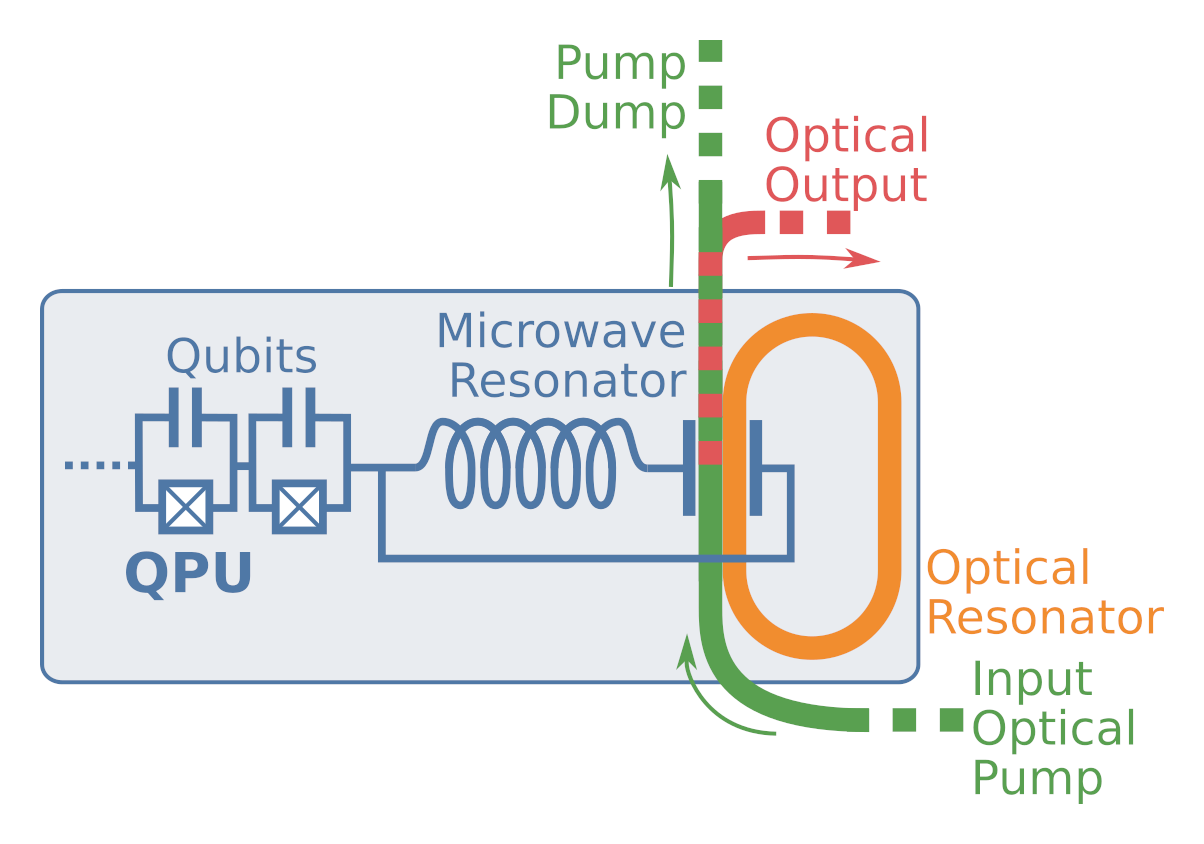
Room-temp optical quantum computing¹Near-term² photonic hardware and accelerators for classical computation³Control⁴ and networking⁵ of microwave devices
Room-temperature photonic logical qubits via second-order nonlinearities
Controlled-Phase Gate by Dynamic Coupling of Photons to a Two-Level Emitter
All-Photonic Artificial Neural Network Processor Via Non-linear Optics
Universal control of an oscillator with dispersive coupling to a qubit
Optically-Heralded Entanglement of Superconducting Systems in Quantum Networks
Room-temp optical quantum computing¹Near-term² photonic hardware and accelerators for classical computation³Control⁴ and networking⁵ of microwave devicesSpin-mechanics interfaces⁶
Room-temperature photonic logical qubits via second-order nonlinearities
Controlled-Phase Gate by Dynamic Coupling of Photons to a Two-Level Emitter
All-Photonic Artificial Neural Network Processor Via Non-linear Optics
Universal control of an oscillator with dispersive coupling to a qubit
Optically-Heralded Entanglement of Superconducting Systems in Quantum Networks
A spin-optomechanical quantum interface [...]
Room-temp optical quantum computing¹Near-term² photonic hardware and accelerators for classical computation³Control⁴ and networking⁵ of microwave devicesSpin-mechanics interfaces⁶Learning hardware parameters⁷⁸
Room-temperature photonic logical qubits via second-order nonlinearities
Controlled-Phase Gate by Dynamic Coupling of Photons to a Two-Level Emitter
All-Photonic Artificial Neural Network Processor Via Non-linear OpticsPRApp 2024
Universal control of an oscillator with dispersive coupling to a qubit
Optically-Heralded Entanglement of Superconducting Systems in Quantum Networks
A spin-optomechanical quantum interface [...]
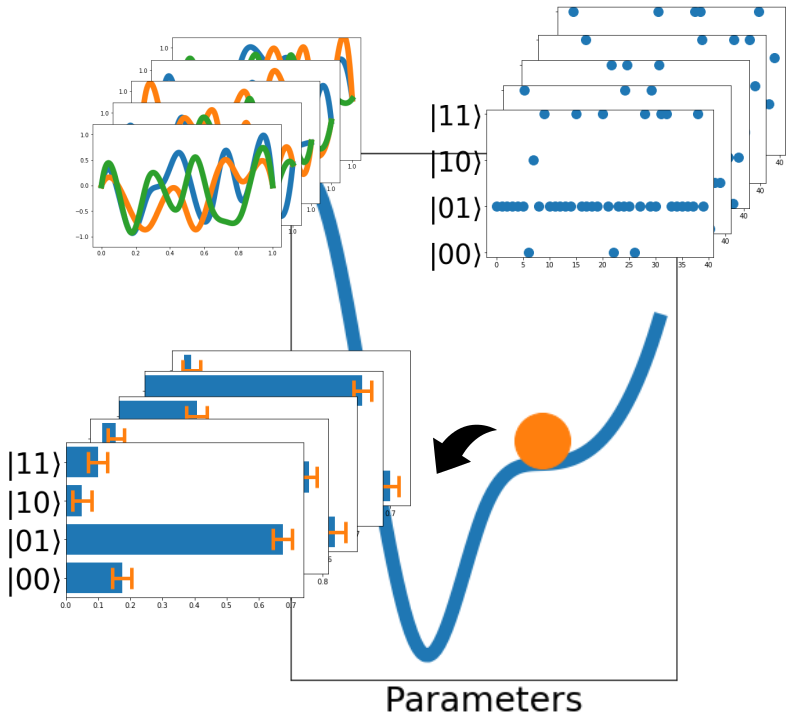
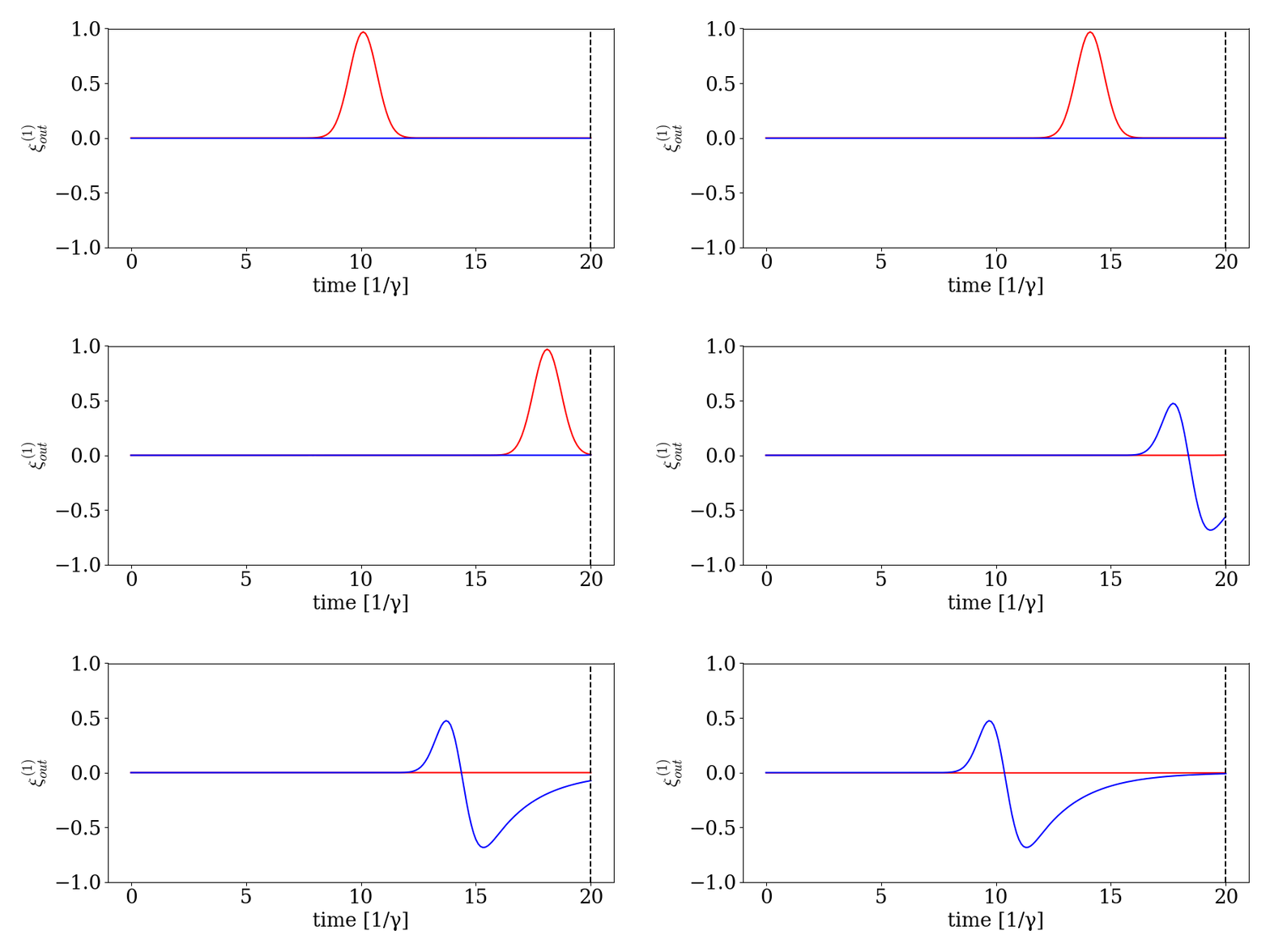
Stochastic estimation of dynamical variables
Unboxing Quantum Black Box Models [...]
Quantum Networking
Hardware design and modeling
Entanglement distillation
Modular computation
Network control protocols (CQN)
Entanglement Purification
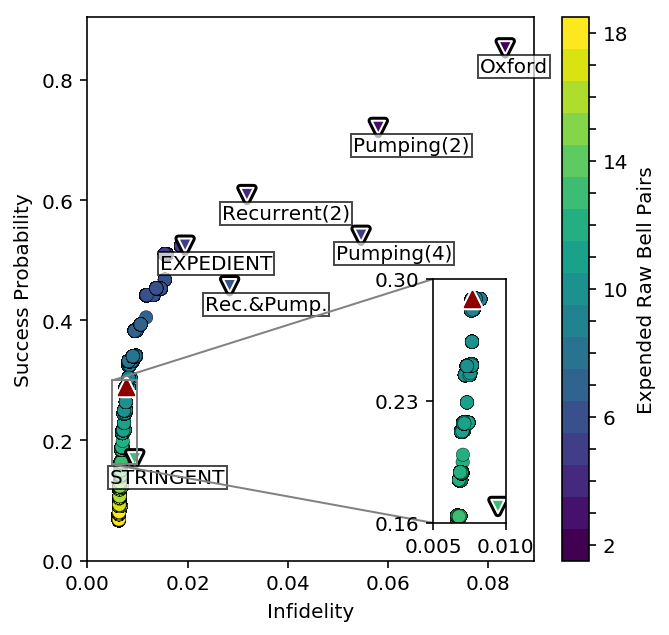
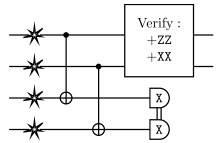
Optimized circuits for purification¹, better than any known circuits.
Krastanov et al.Optimized Entanglement Purification
Jansen et al.Enumerating all bilocal Clifford distillation protocols through symmetry reduction
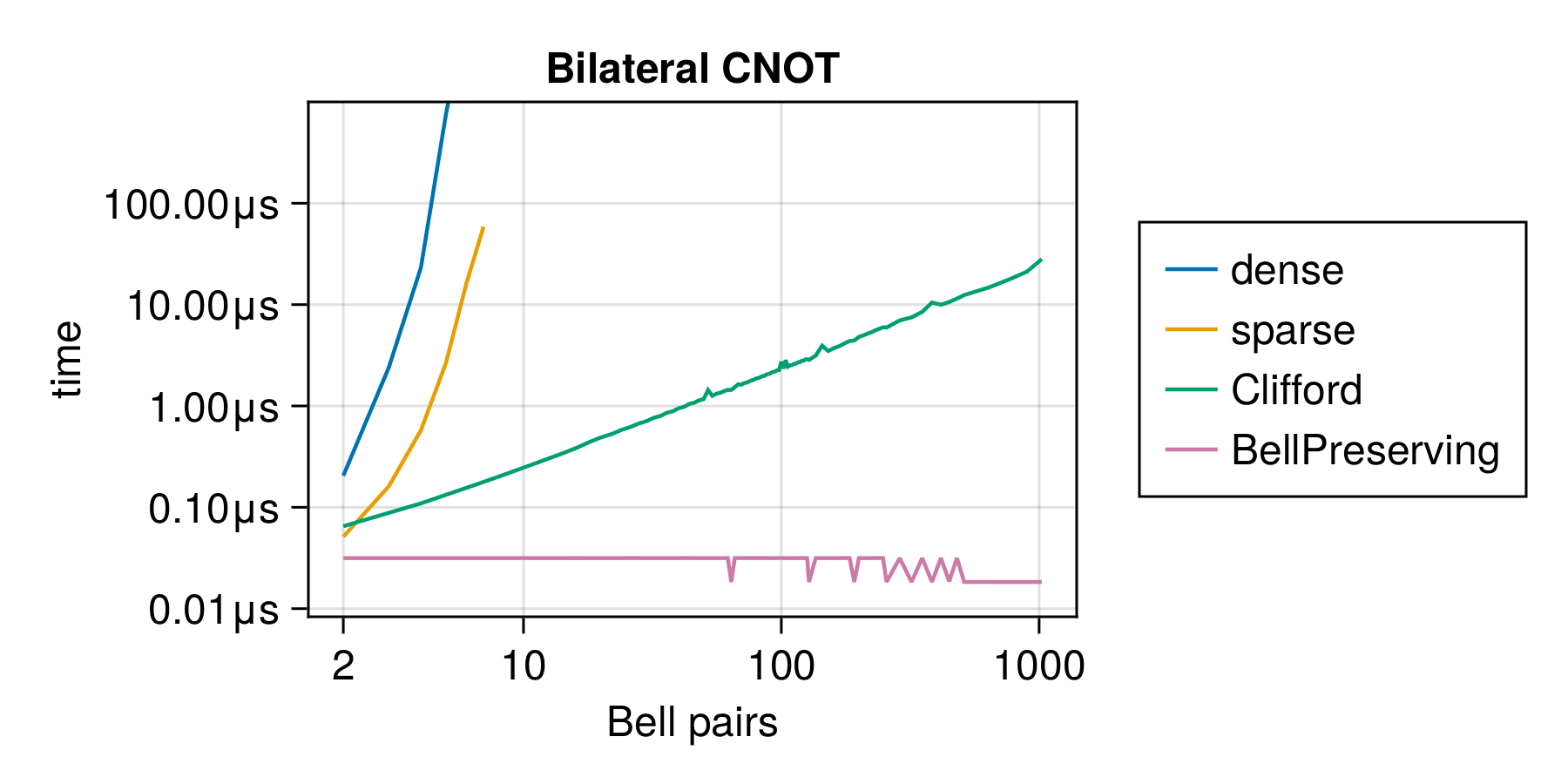
Addala et al.Faster-than-Clifford simulations of entanglement purification circuits and their full-stack optimization
Wang et al.GHZ-Preserving Gates and Optimized Distillation Circuits
Wang et al.Graph-state Optimized Distillation
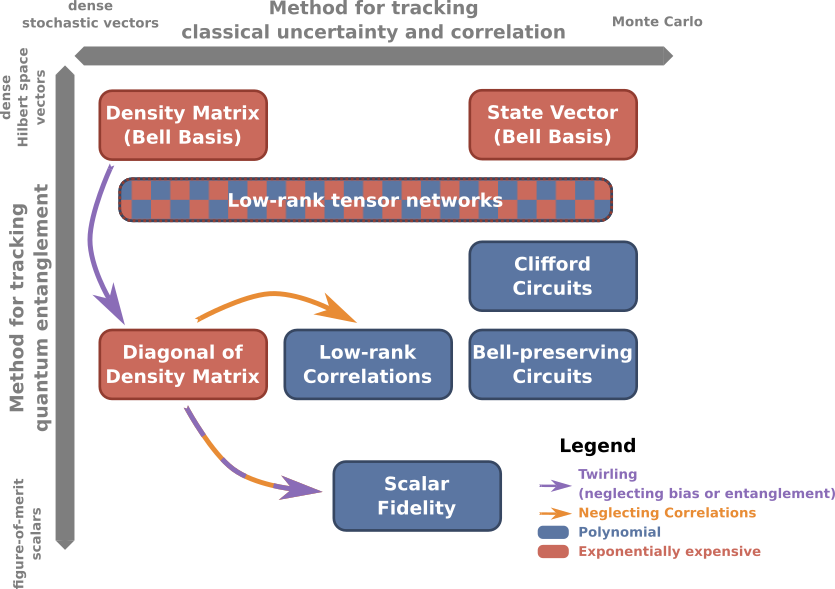
Compilation for modular MBQC
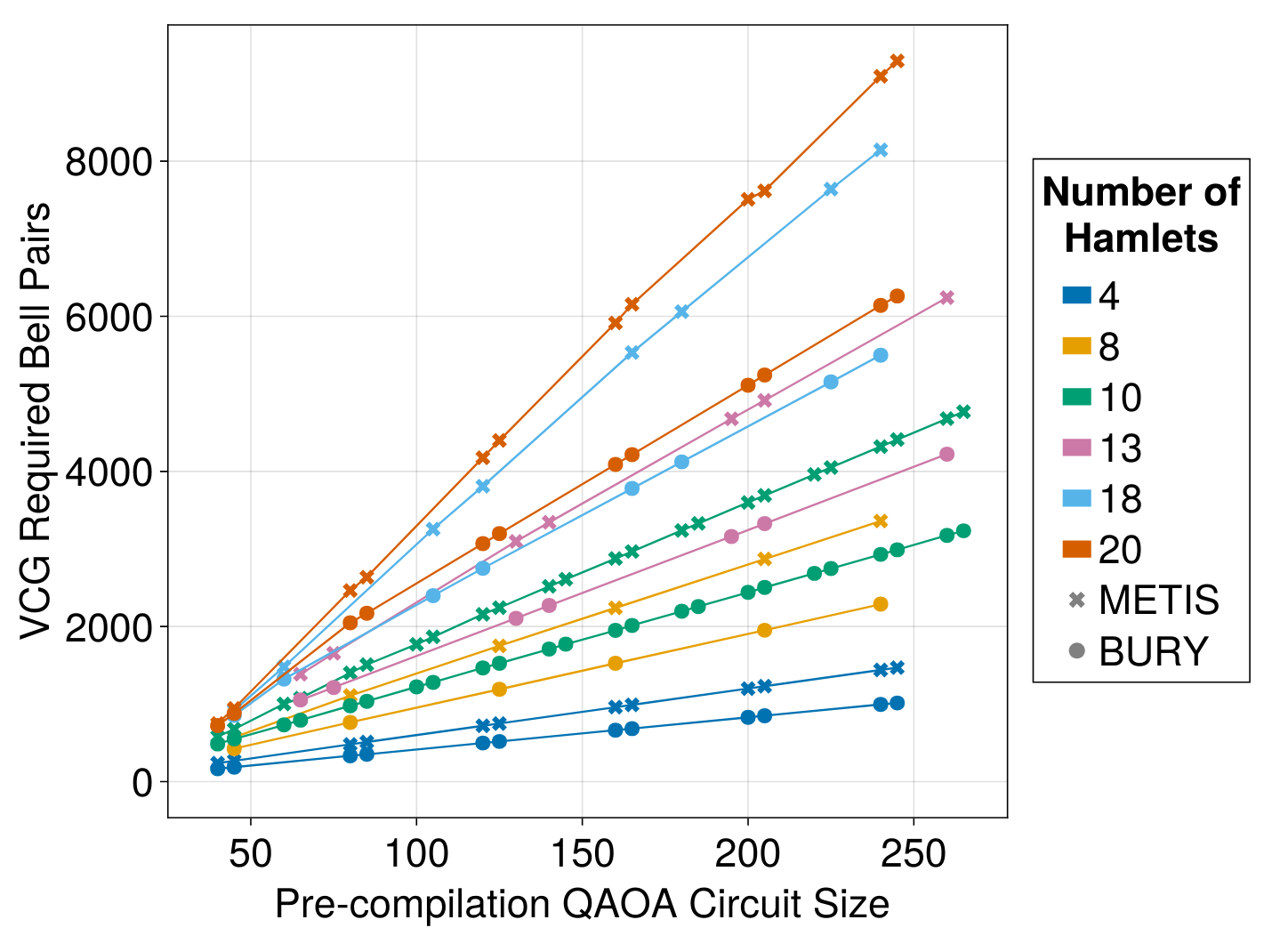
Quantum Hamlets: Distributed Compilation of Large Algorithmic Graph States
Error Correction
Silly ML decoders before they were cool
Bosonic ECC
Single-shot Stabilizer Codes
Room-temperature ECC Repeater
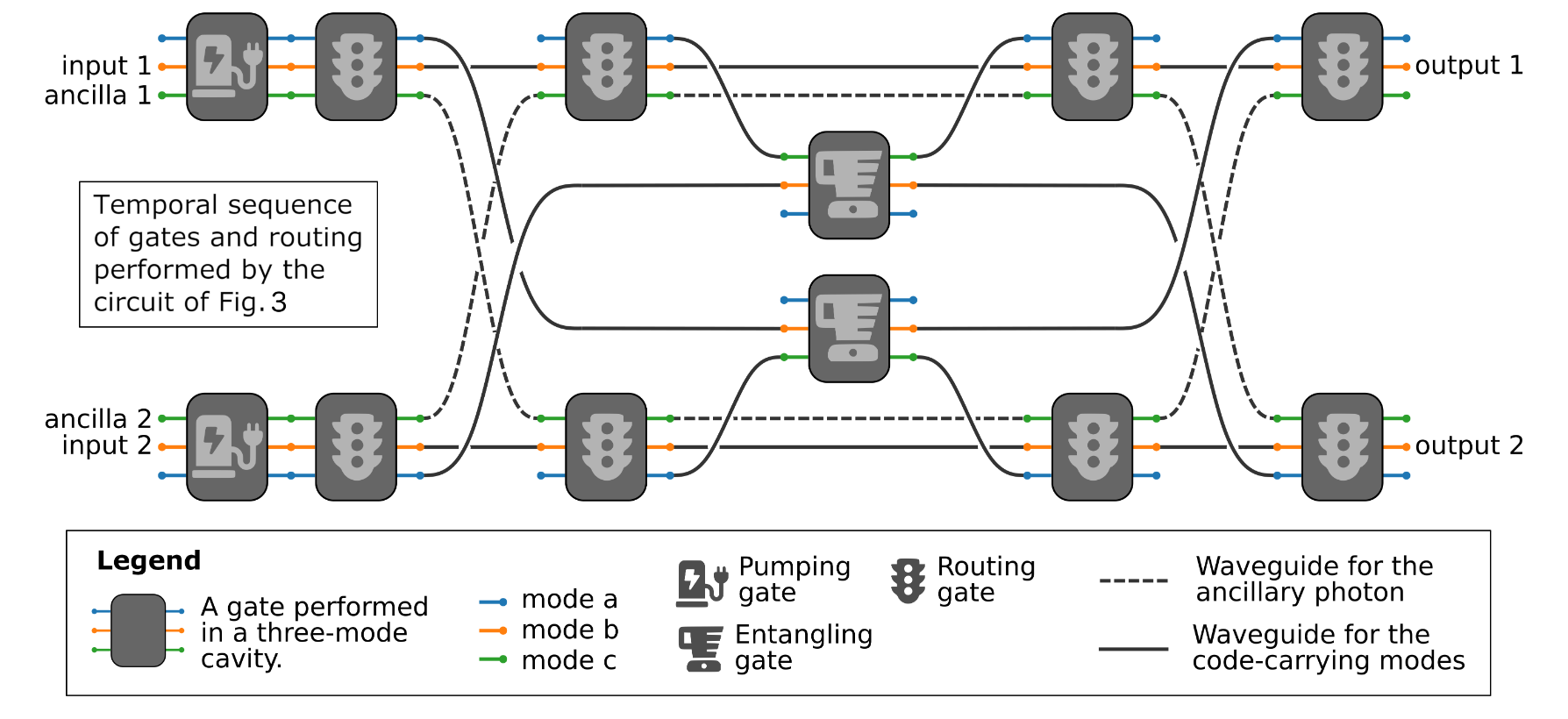
Room-Temperature Photonic Logical Qubits via Second-Order Nonlinearities
Record-breaking Single-shot Codes
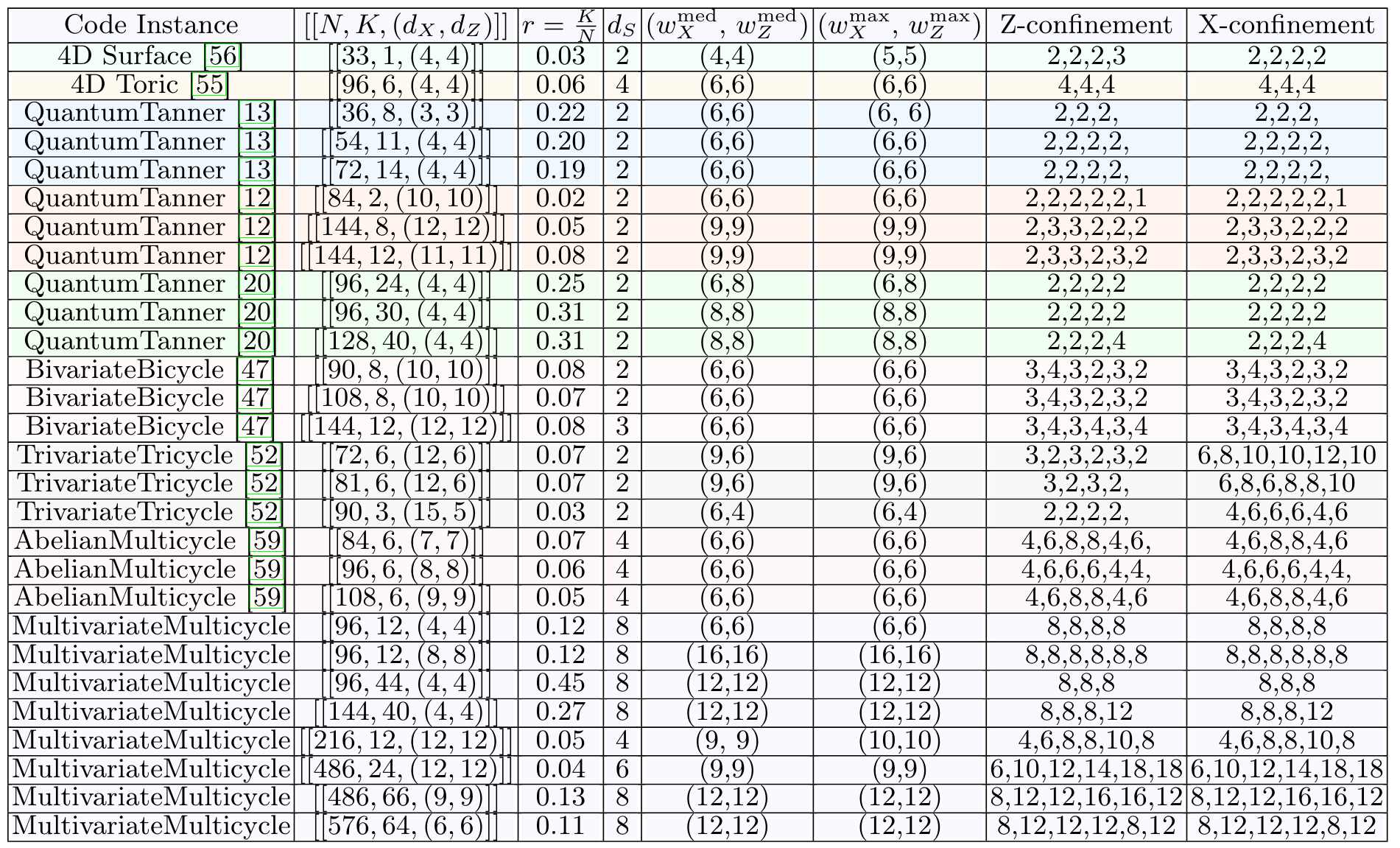
Multivariate Multicycle Codes for Complete Single-Shot Decoding
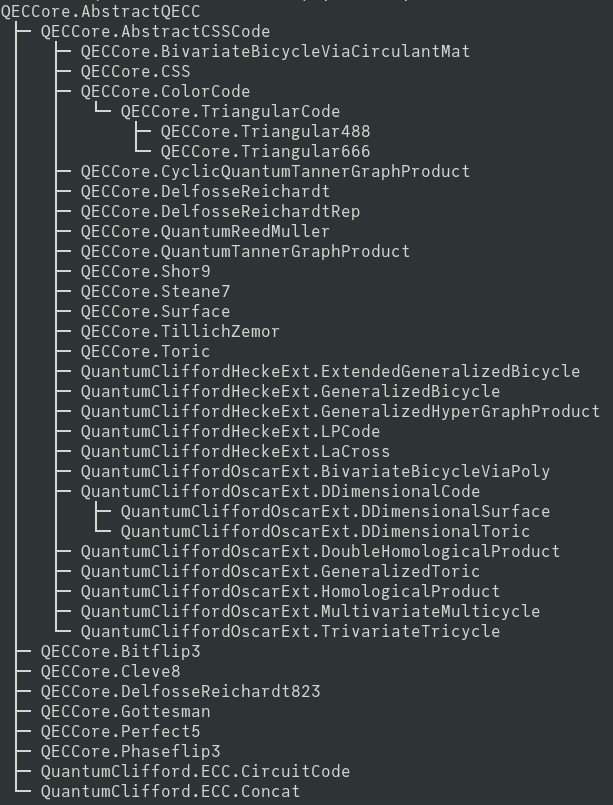
Tool Building
early history ;)
Core contributor to SymPy; drive-by PRs to the rest of the ecosystem; Jupyter used to be just an ipython plugin
Managed ~20 junior contributors (undergrad student jobs, REUs, summer of code, CQN interns, etc).
About 10k$ bounty & summer project budget per year and the occasional larger subcontracts.
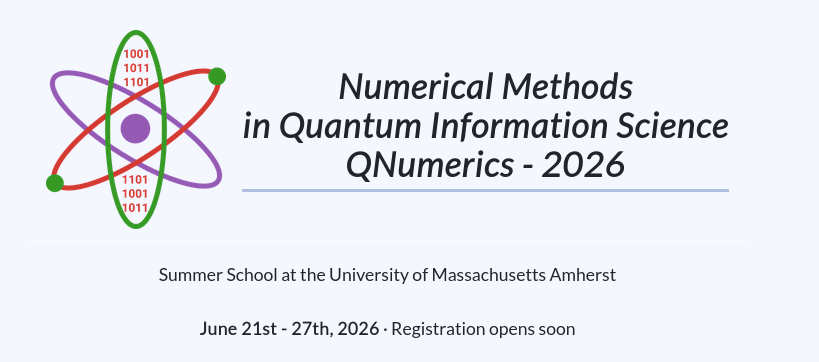
QNumerics Summer School
STEM Outreach
The Spinwheel spinwearables.comThe Qbead qbead.org